A story about the Sigma Mark I and the Sigma BF
Nearly fifty years lie between the introduction of the Sigma Mark I, Sigma’s first camera, and the Sigma BF, Sigma’s newest camera.* It was not until I had the chance to use them side by side that I truly understood what that difference really means.
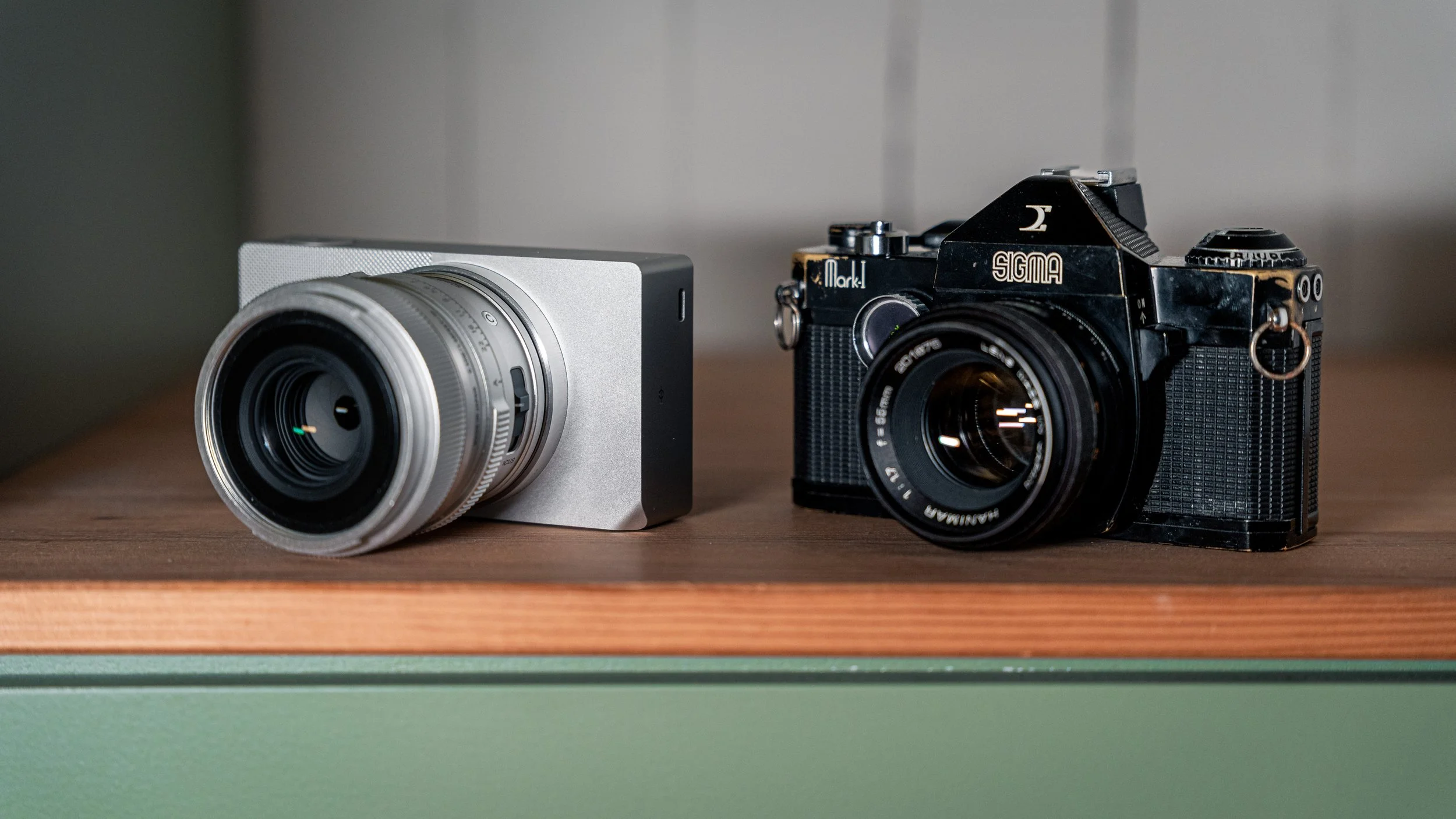
On the left the Sigma BF (Sigma’s latest camera) and on the right the Sigma Mark I (Sigma’s first camera)
I have owned the Sigma Mark I for about three months now. In that short time, it has grown into one of the most special cameras in my collection of analog cameras. Almost at the same time, I was given the opportunity to work with the new Sigma BF for a few days. The idea quickly arose to use these cameras together and explore how the brand’s technology and philosophy have evolved over time. This is not a comparison based on specifications or performance, as that would be nearly impossible given how fundamentally different these cameras are. Instead, it is an exploration of what nearly fifty years of camera design and philosophy do to my own photography.
For several years now, I have been collecting unique analog cameras that are still fully functional, and I genuinely enjoy using them. Shooting with an analog camera forces you to slow down and think more carefully about what you are photographing and how you compose an image. These cameras do not just sit in a display cabinet but regularly come outside with me. Alongside this, I use many Sigma lenses on the digital cameras I work with today, drawn by their outstanding quality and sharpness. The opportunity to use both the very first and the very latest Sigma camera feels like connecting two extremes within the same brand.
The Sigma Mark I: a camera that made a strong impression
I discovered the Sigma Mark I some time ago while browsing online in search of interesting cameras from the past, which led me to Sigma’s history page. At first, I did not recognize the camera at all, which is remarkable considering how well-known Sigma is in the photography world today. Once I saw it, however, the camera stayed on my mind. The design is raw and functional, unconcerned with trends or aesthetics as we see them in modern cameras. This is a camera built purely as a tool for the photographer.
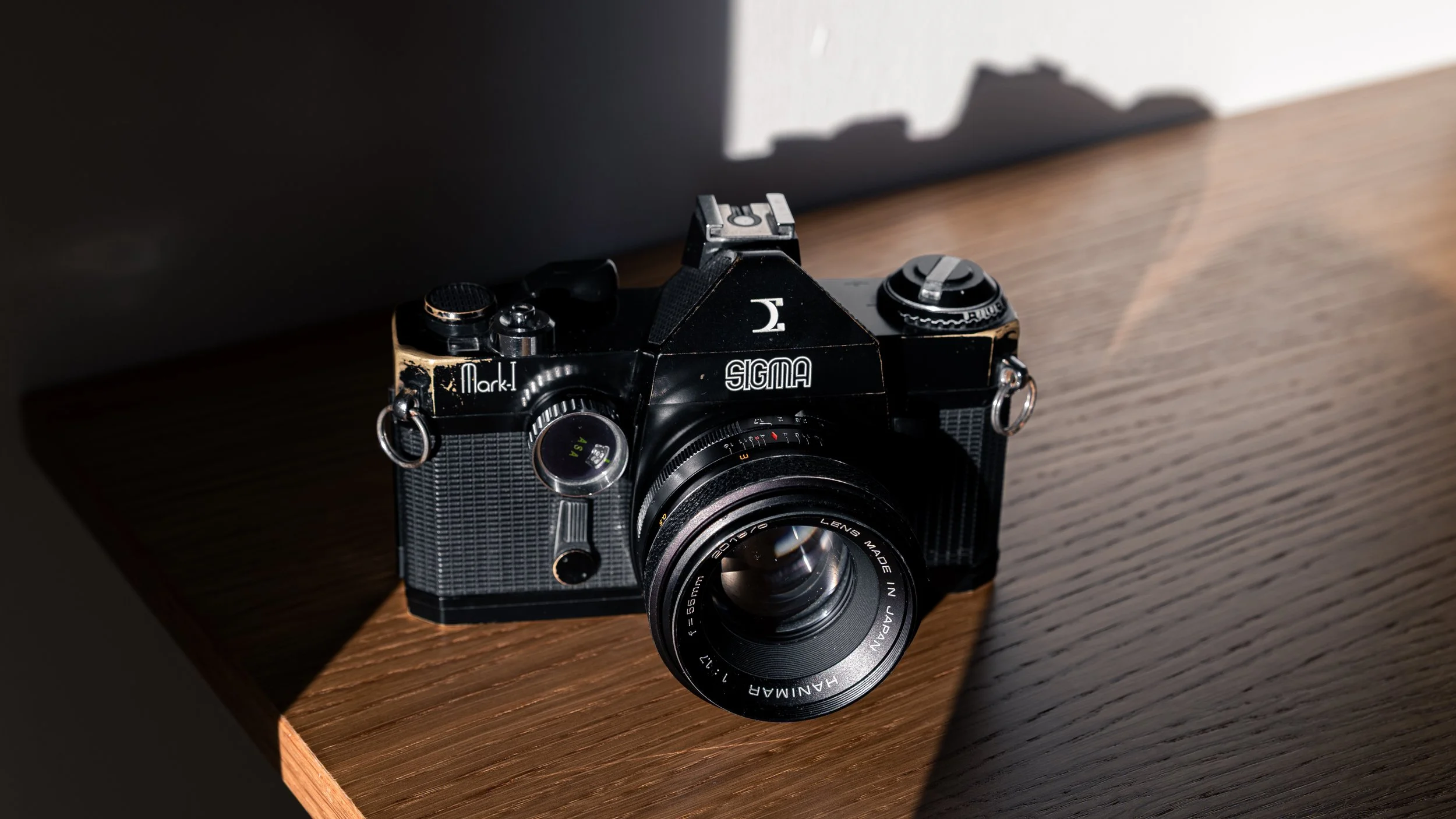
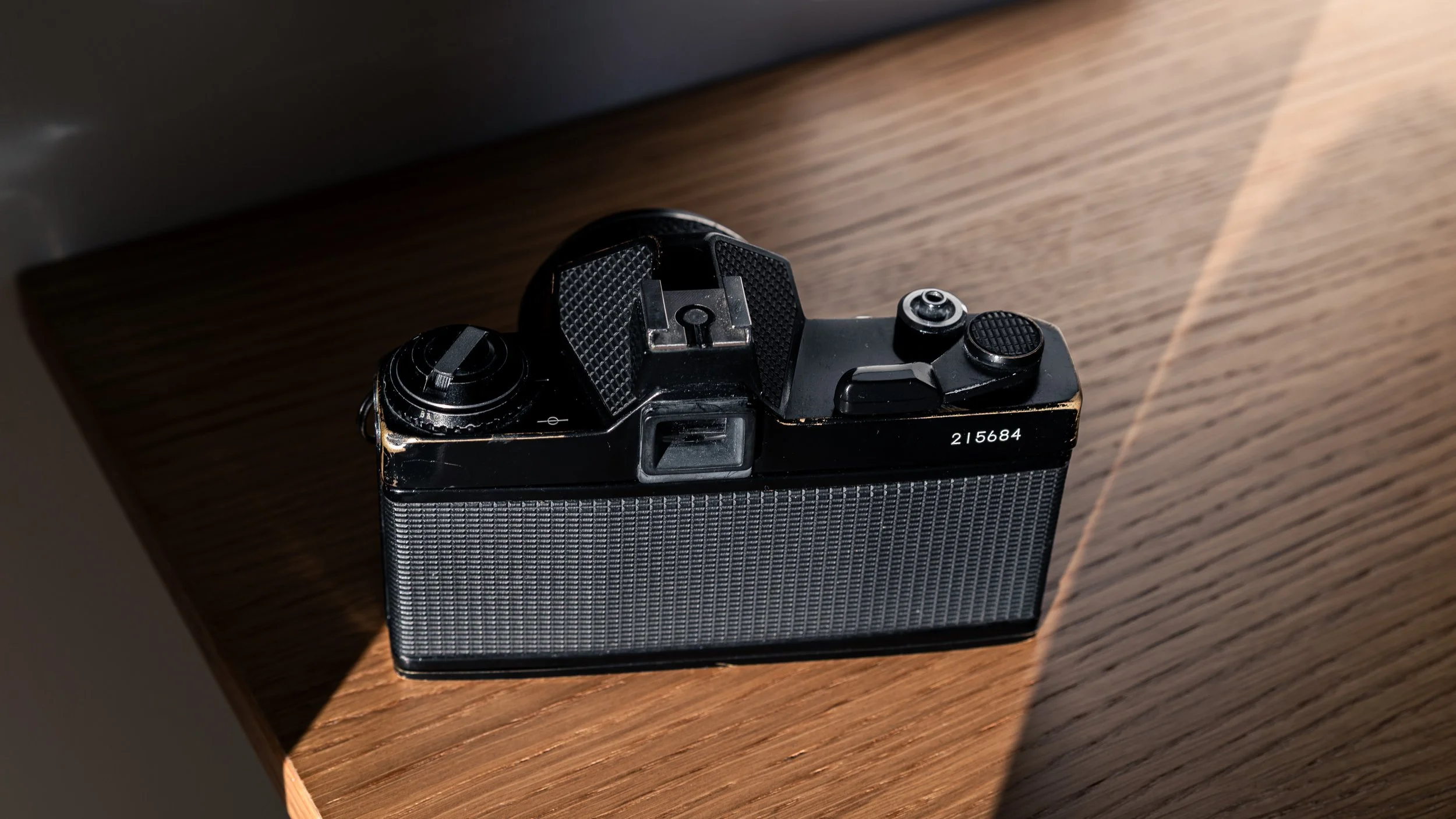
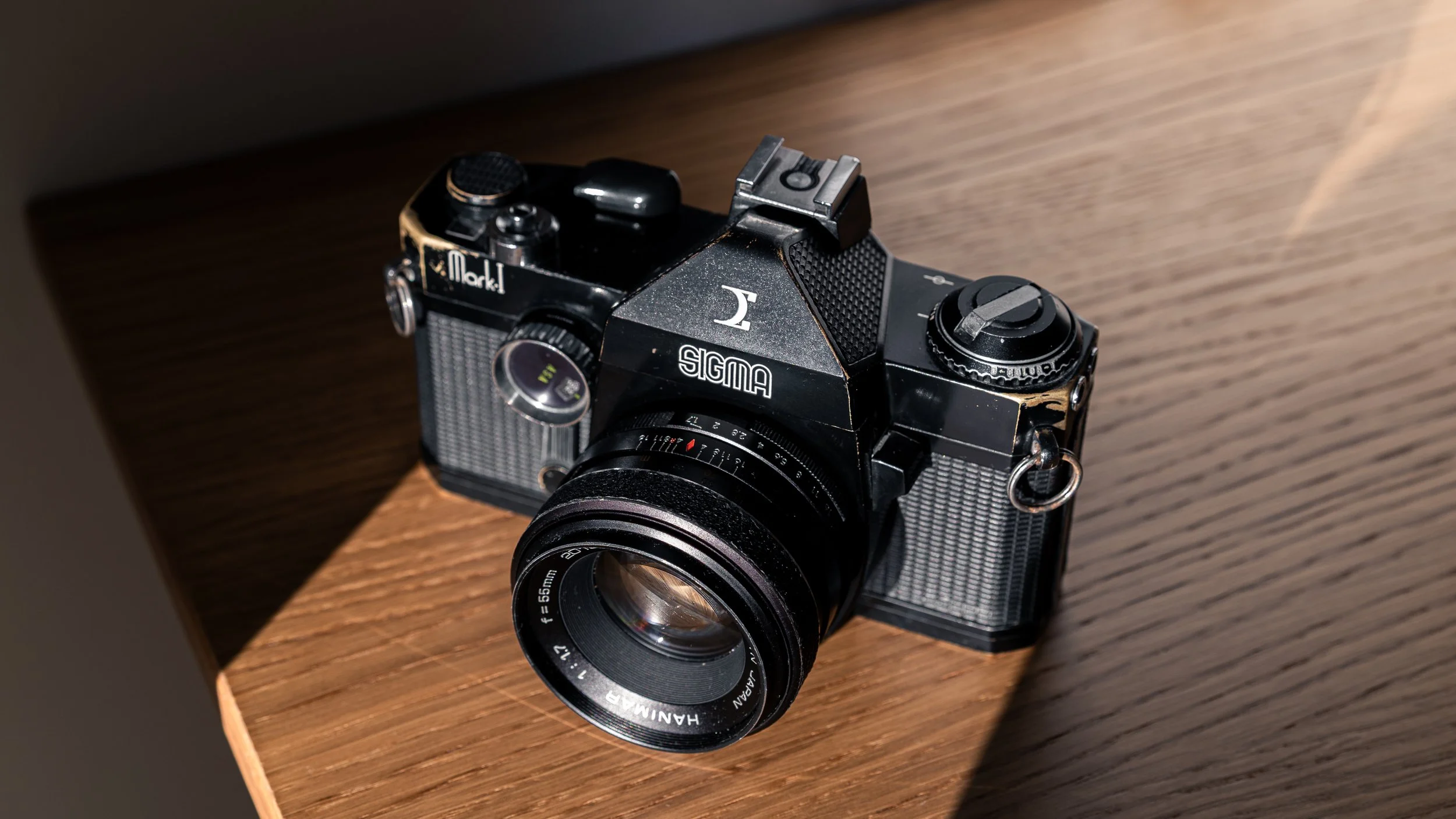
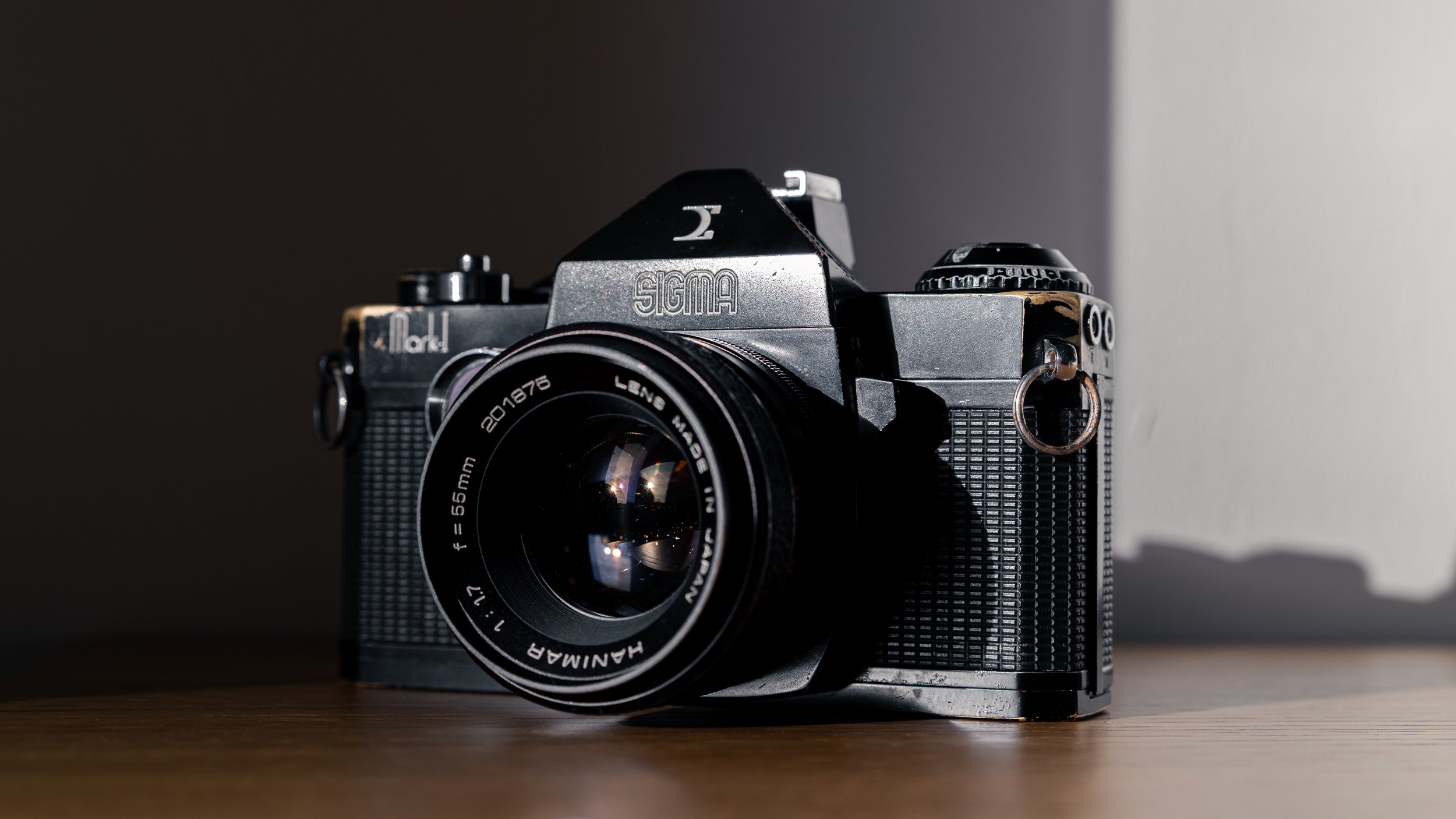
The Sigma Mark I, first camera made by Sigma
Not long after, I unexpectedly came across a Sigma Mark I on an auction site. The camera clearly showed signs of use but was still fully functional. I decided to place a bid and see how far I would get. To my surprise, I ended up being the highest bidder and became the new owner of this special piece of photography history. Since then, I have had the camera for about three months. That is not a long time, but it is more than enough to realize that this is not a camera you quickly put away in a closet.
What struck me immediately when the camera arrived was its condition. The edges and corners show wear, revealing a warm copper or brass tone underneath. For me, this adds a lot of character to the object. These are not damages but traces of use, as if the camera is proudly showing its own history. It makes me wonder about the adventures it experienced with previous owners and the moments it once captured. It feels good to continue that adventure with the camera.
I have used the Sigma Mark I extensively with the included Hanimar 55mm f/1.8 M42 mount lens. Photographing with this camera demands attention. Everything is manual, and nothing speeds you up in the way autofocus, live view, or the freedom of a delete button do on modern digital cameras. The shutter closes with a loud, decisive sound, the film advance lever requires a deliberate motion, and every photograph feels like a conscious choice. Over those three months, I noticed that I naturally began working more slowly and took real time to think about my compositions. The beauty of it is that you take fewer photos, but you think much more deeply about what you are photographing and why.
The Sigma BF: a modern camera that feels surprisingly familiar
Just before the Sigma Mark I arrived, Sigma introduced the Sigma BF. I was immediately impressed by its design. The camera looks completely different from what most brands are producing these days. It is minimalist, clean, and almost austere. The camera is made of one single block of aluminium. There is no excess of buttons on the body of the camera, only a design that radiates calm. It feels as though every line and surface has been carefully considered, with a clear decision about what is and is not necessary. This is a camera focused on seeing and capturing, not on showing off technology.
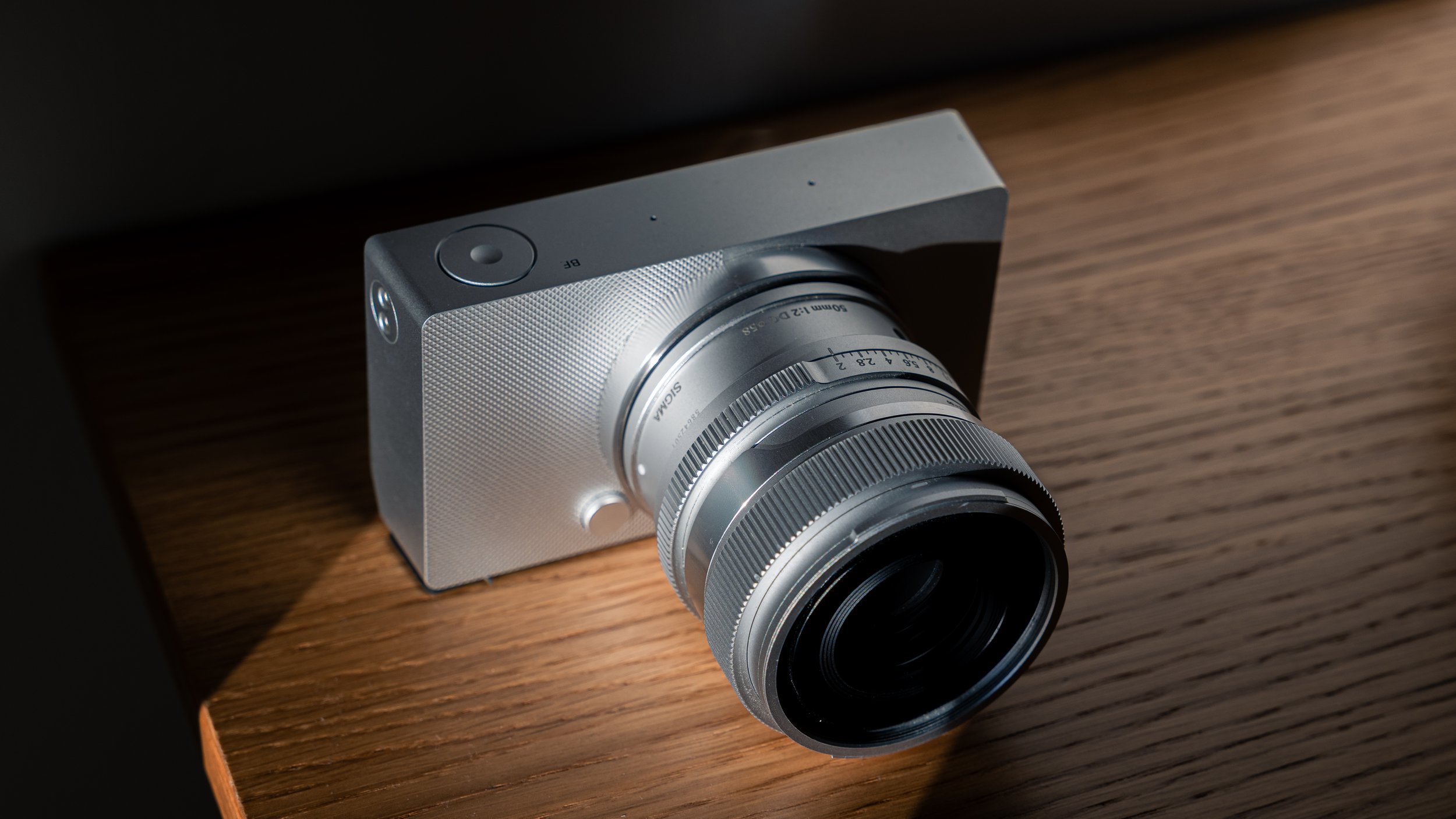
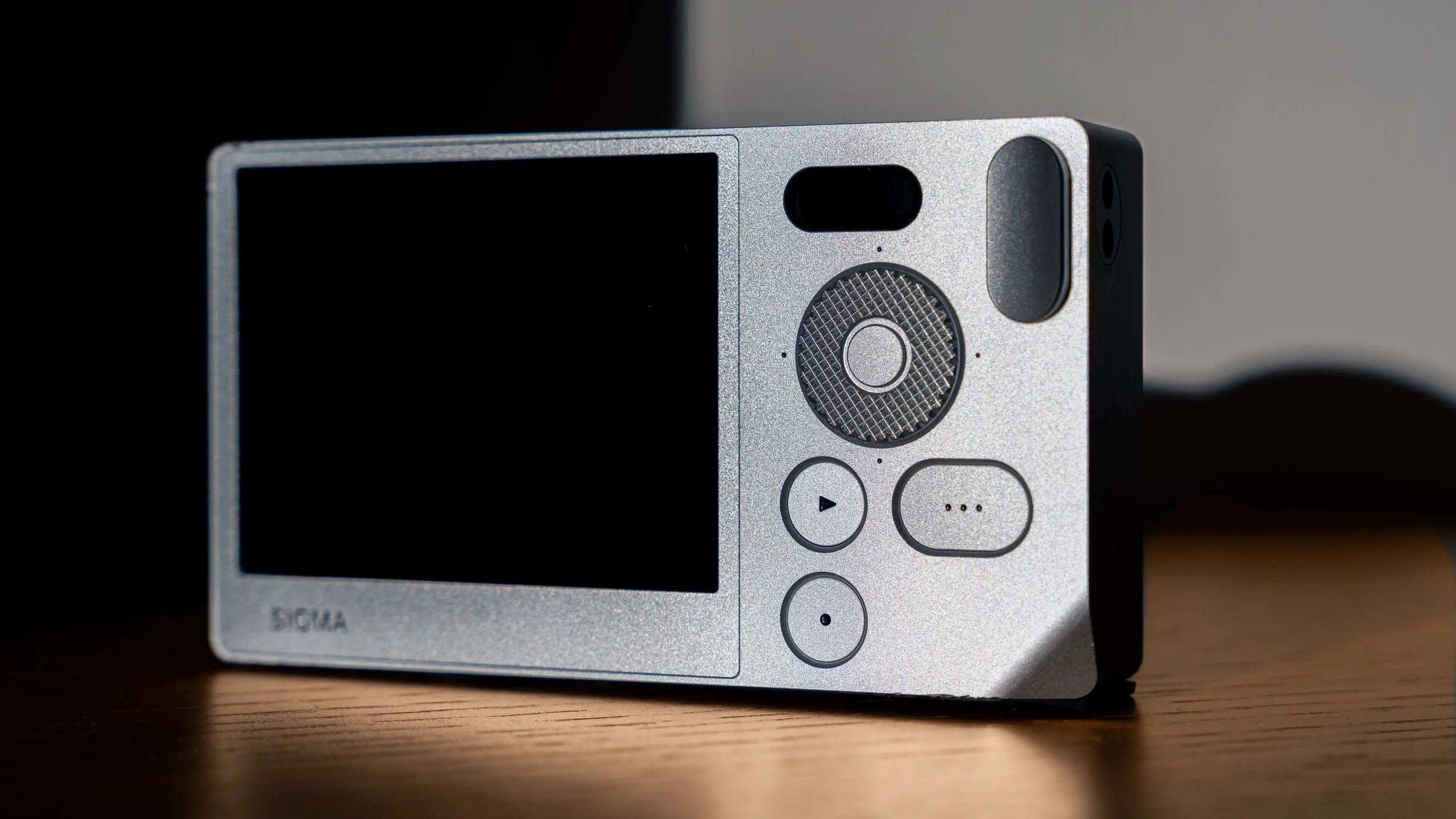
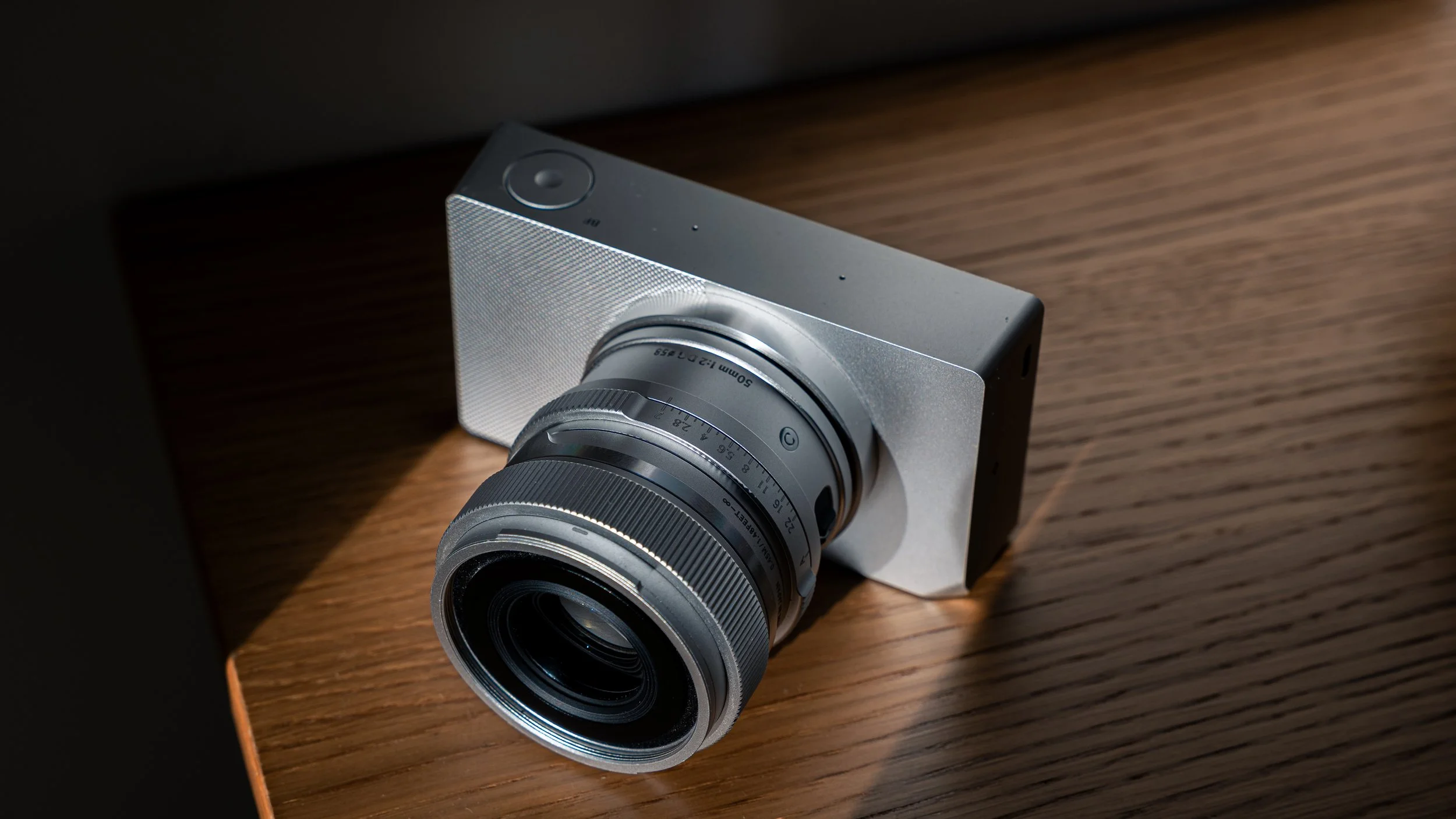
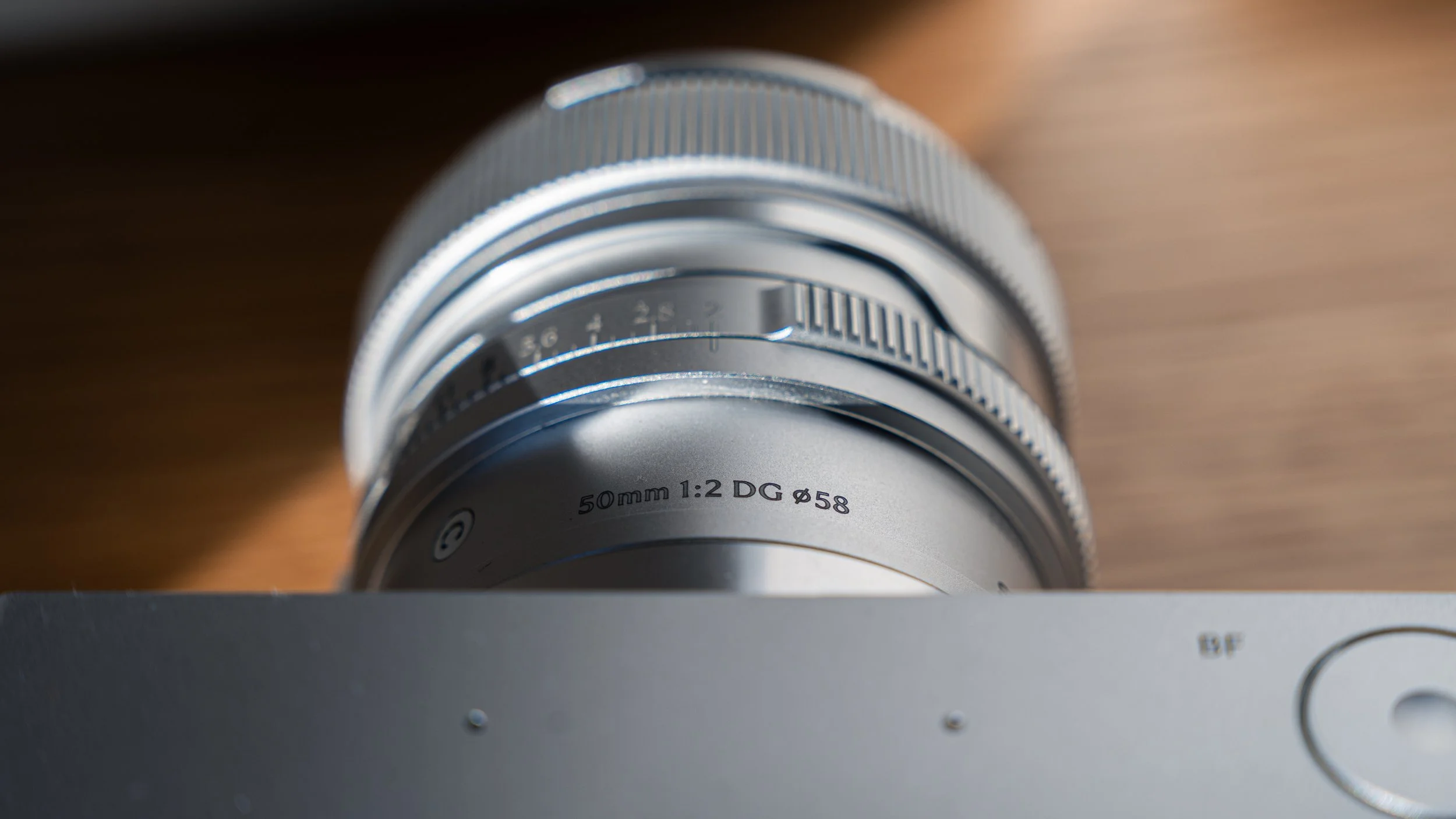
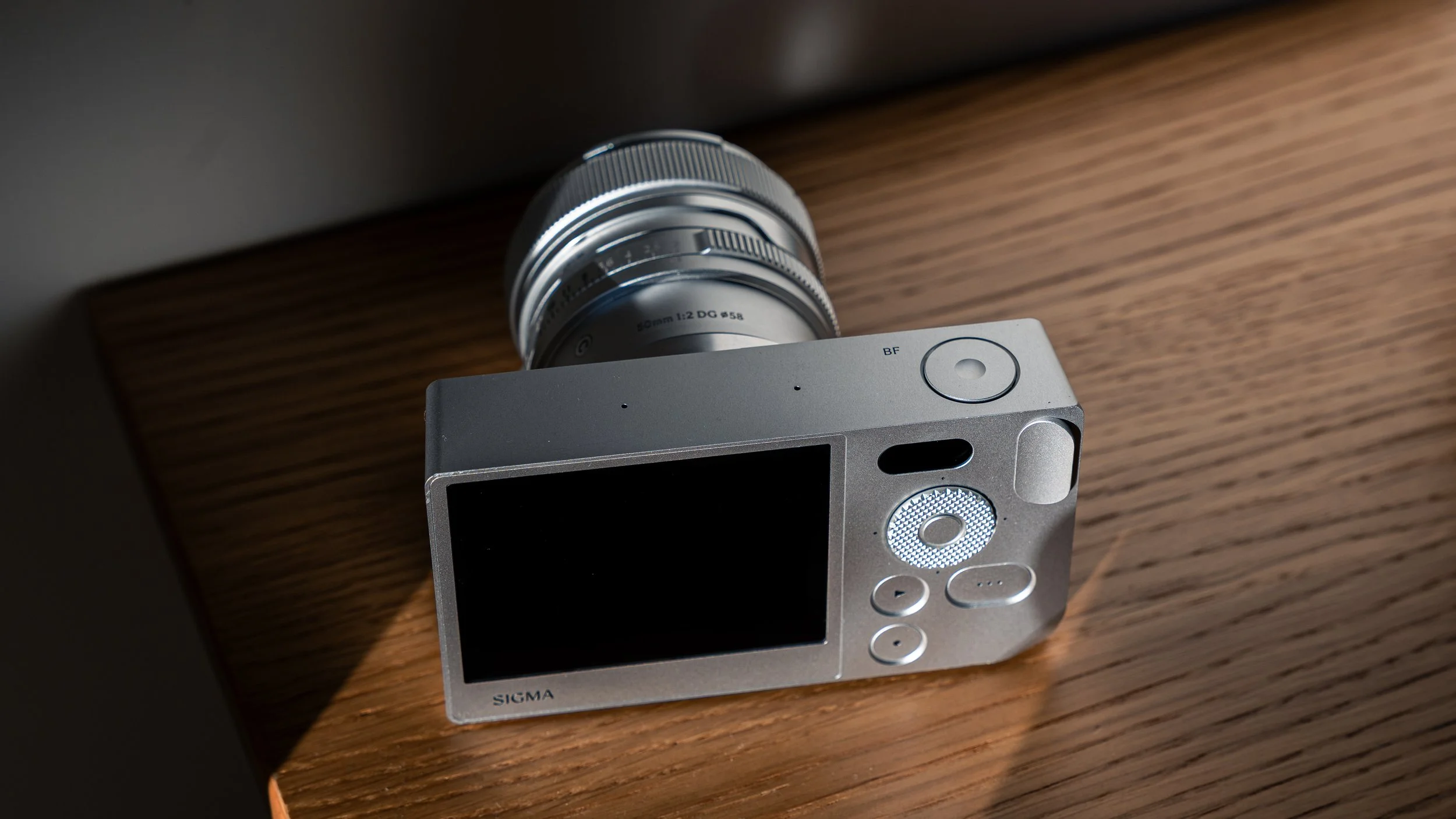
The design of the Sigma BF
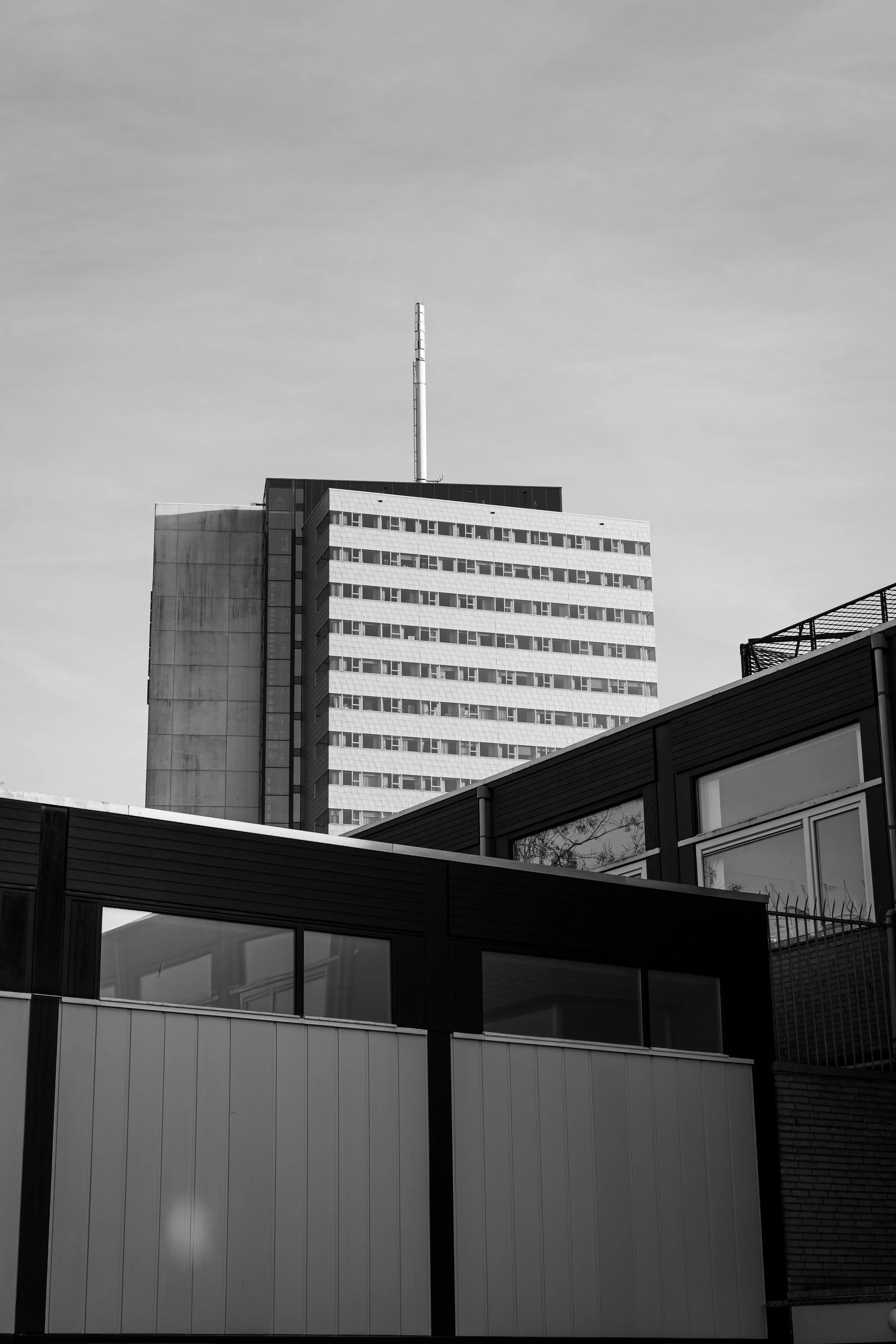
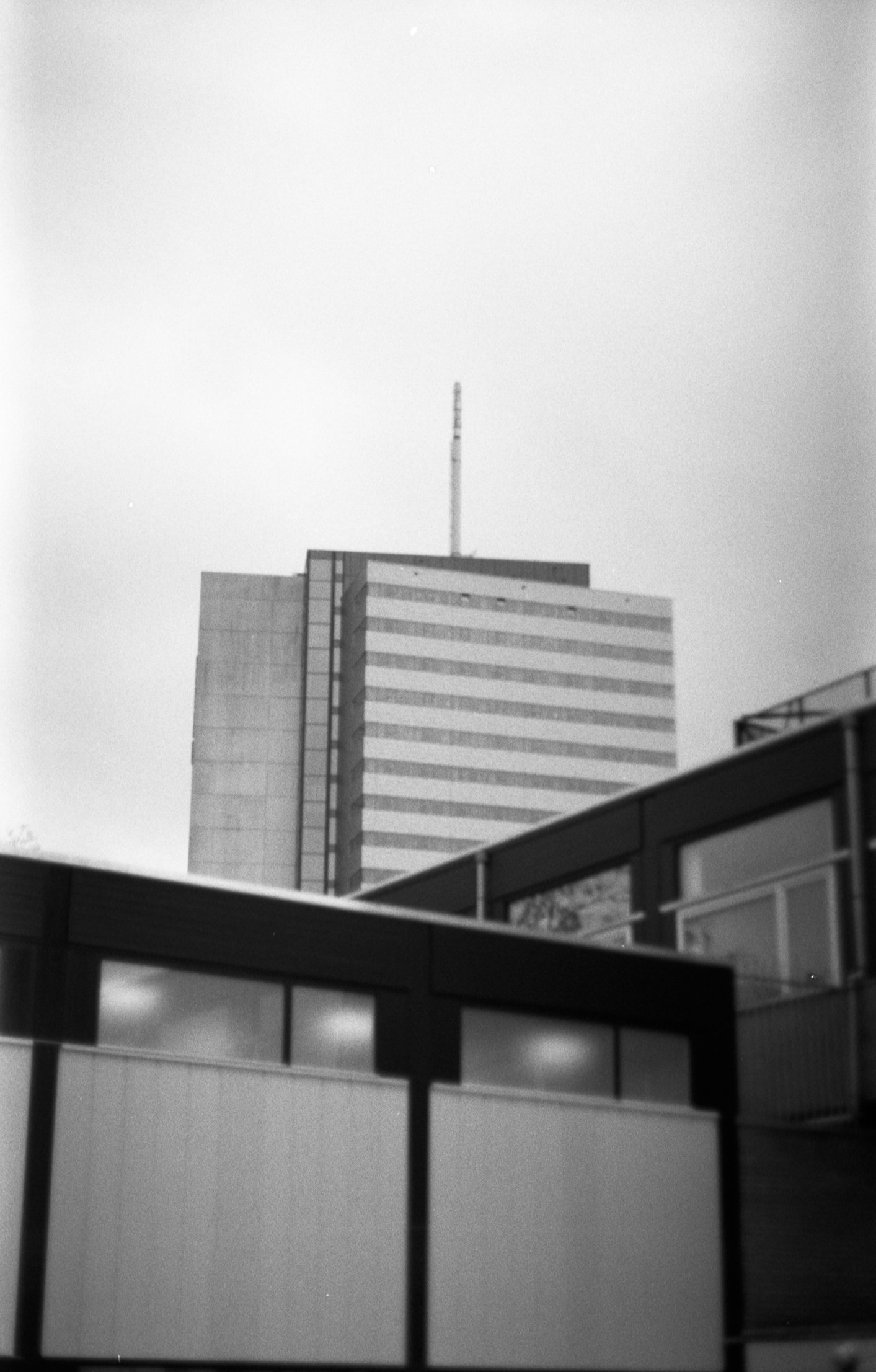
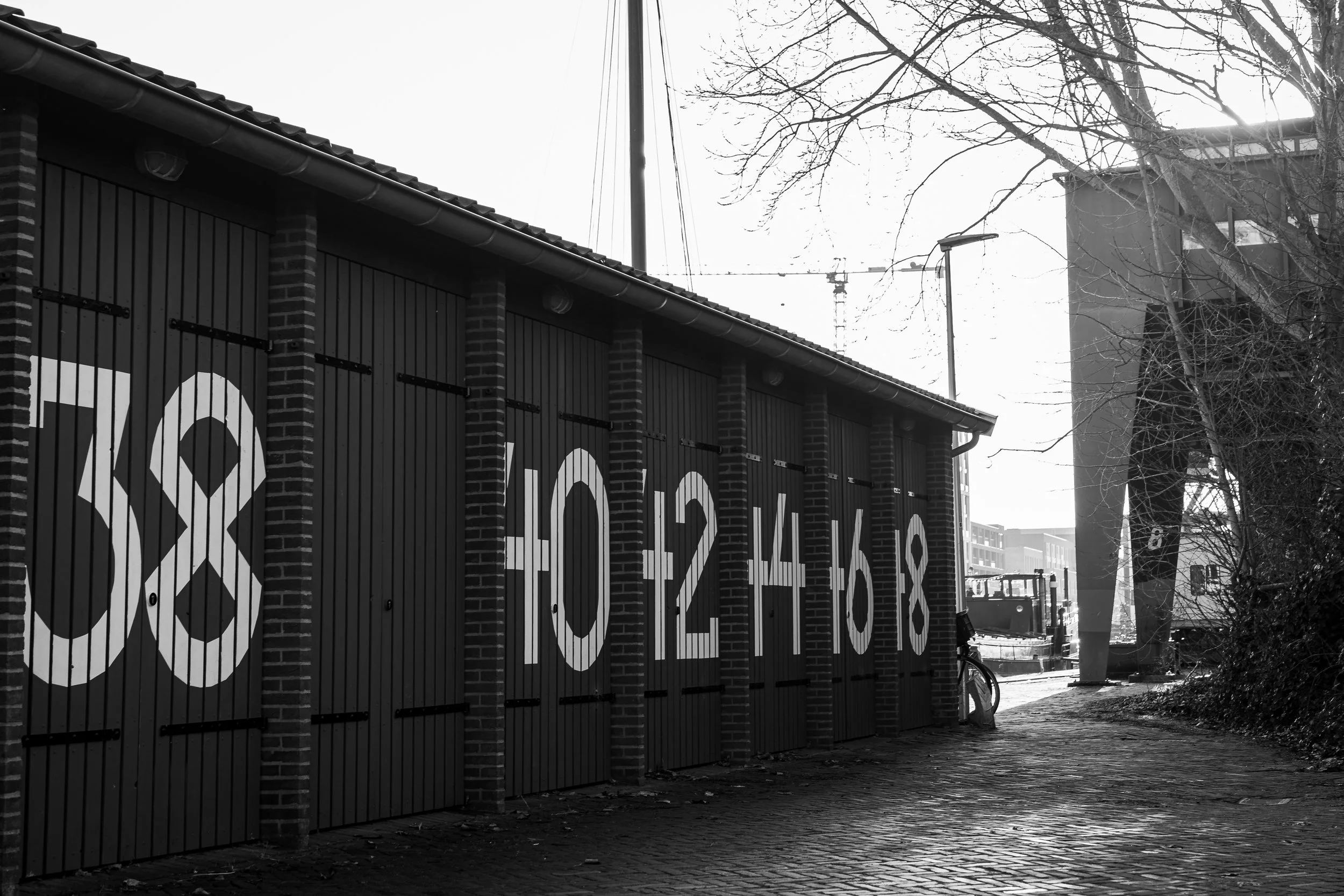
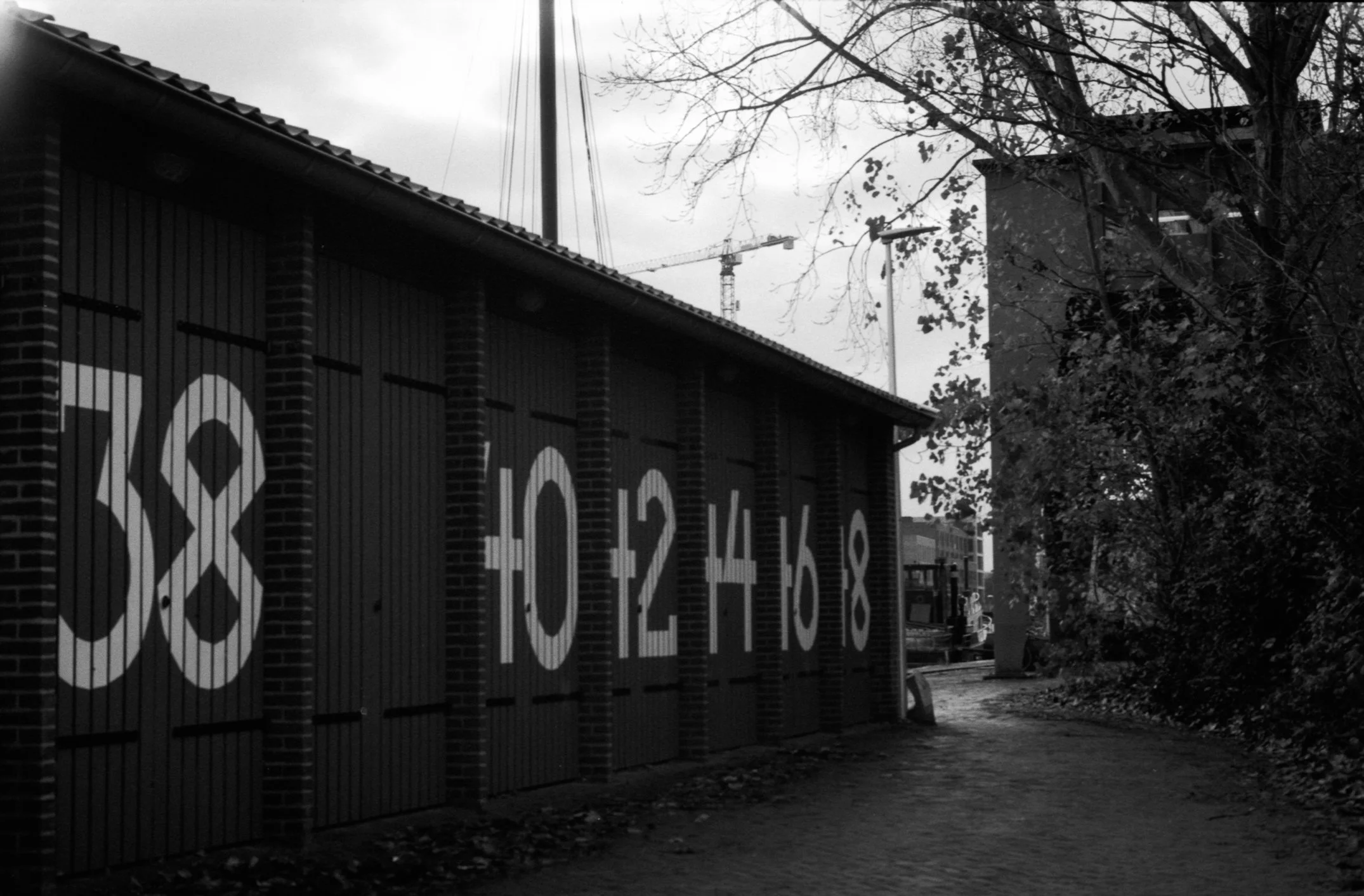
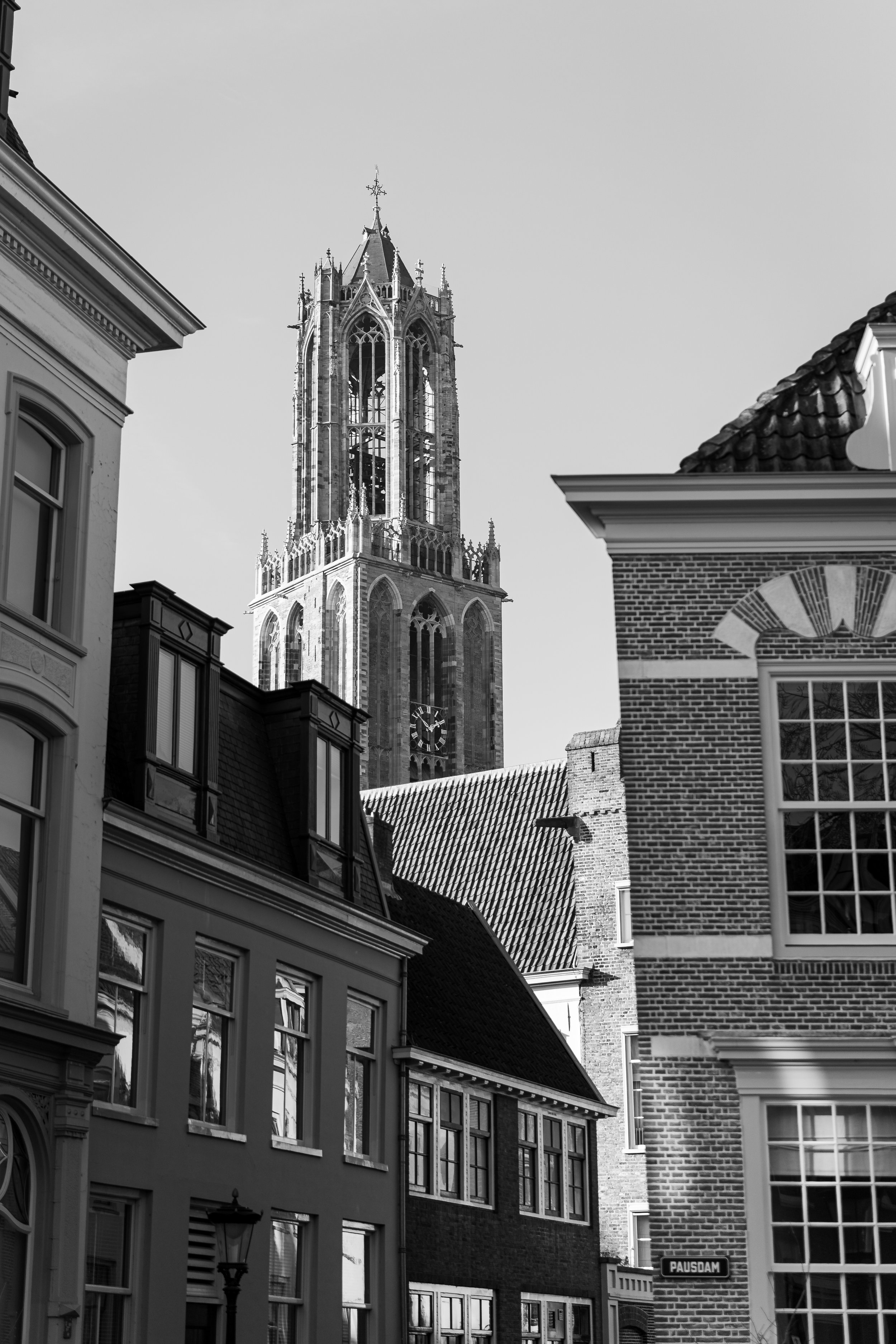
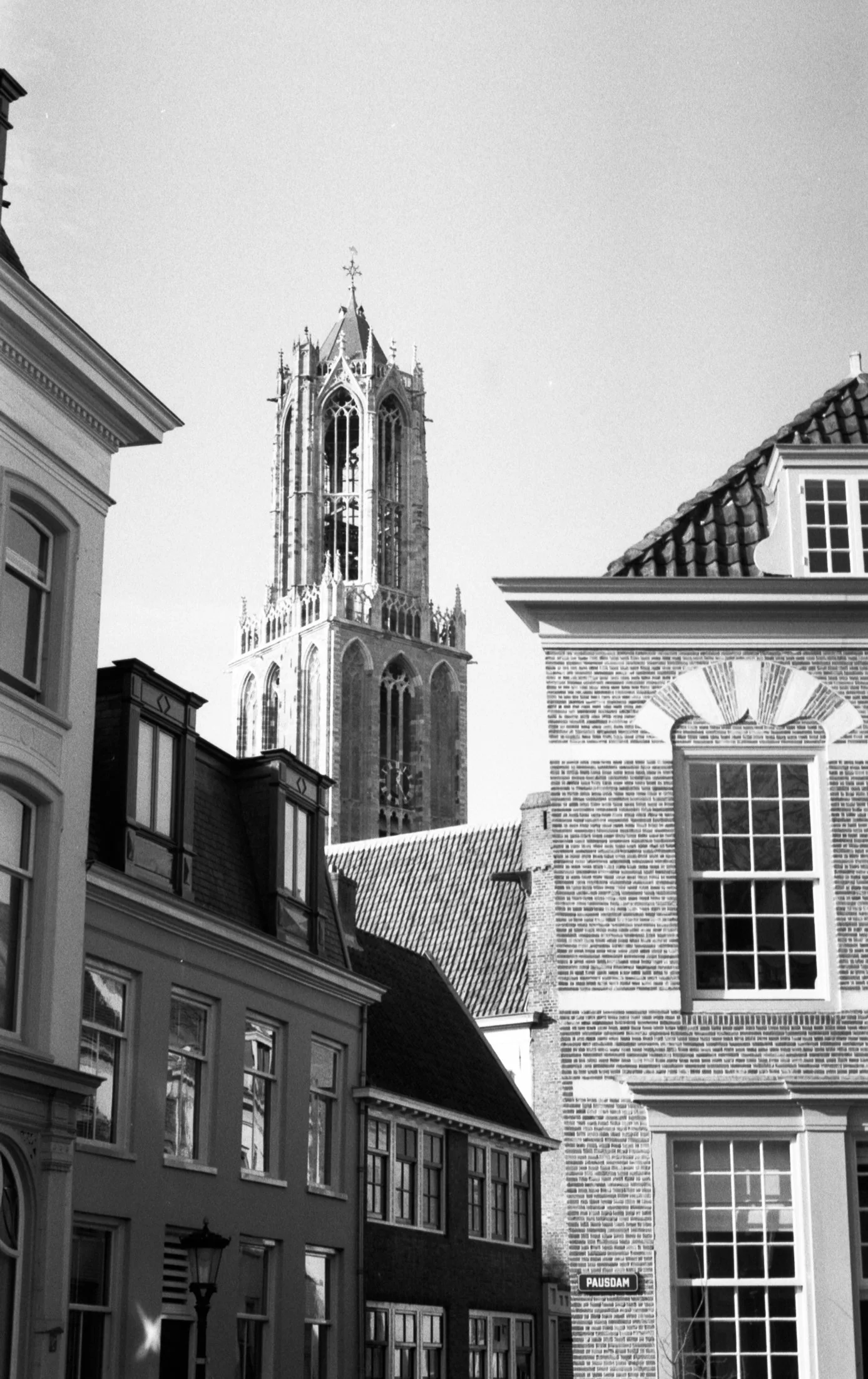
I wondered whether I might be able to use the Sigma BF for a while, and fortunately that turned out to be possible. I was given a silver version, which is the most beautiful one if you ask me, to use for a few days. Rather than using the camera casually, I decided to work with it deliberately. My plan was to take exactly the same photos with the Sigma BF as I had made with the Sigma Mark I, using the same compositions and shooting at the same locations.
The Sigma BF looks quite sharp and angular, but in use I did not notice that at all. The edges and surfaces that rest in your palms are subtly and thoughtfully rounded. As a result, the camera feels surprisingly comfortable to hold, even during extended use.
On the Sigma BF, I used the silver Sigma 50mm f/2.0 DG DN lens that fits beautifully to the design of the Sigma BF, to keep the field of view as close as possible to that of the Mark I. BF stands for “Beautiful Foolishness,” and the longer I worked with the camera, the more that name began to make sense. The Sigma BF does not try to be everything. Instead, it aims to remain simple and avoid distracting you from making photographs. The minimalist design does not work against you. It works for you. Everything you do not actually need has simply been removed.
What stood out to me most during use was how little the Sigma BF imposes itself. It is a modern digital camera, yet it never feels rushed or overwhelming. You are focused on observing and framing, not on navigating menus or adjusting endless settings. That makes it a camera you naturally want to take with you more often.
In practice: two cameras, two eras, the same goal
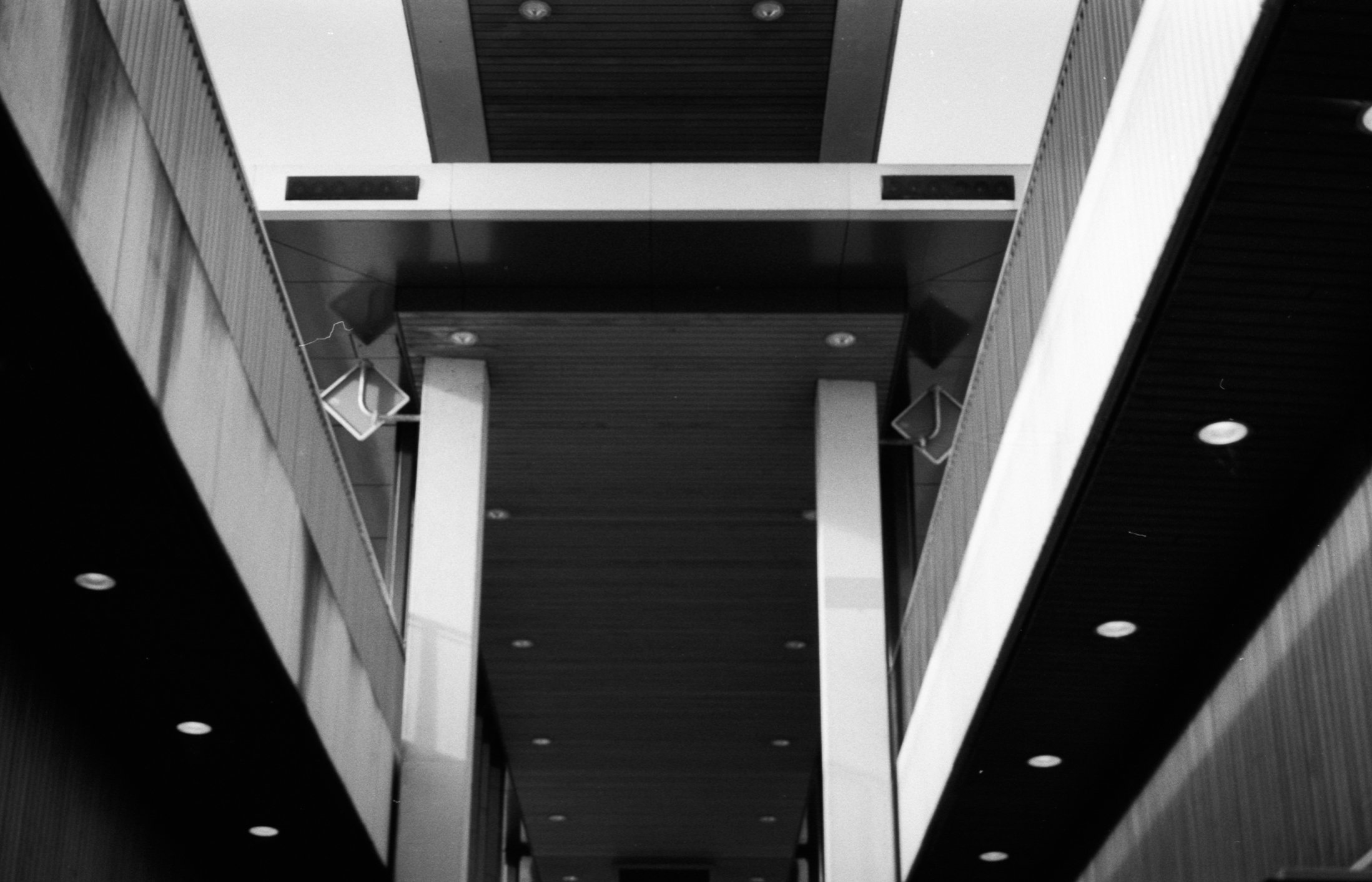
Using the Sigma Mark I and the Sigma BF is very different, yet their effect on me as a photographer was surprisingly similar. With the Sigma Mark I, you work slowly because you very much have to. Everything takes time. With the Sigma BF, you work calmly because nothing is forcing you to rush. In both cases, the emphasis is on looking rather than just shooting photos and seeing how they turned out when you get home.
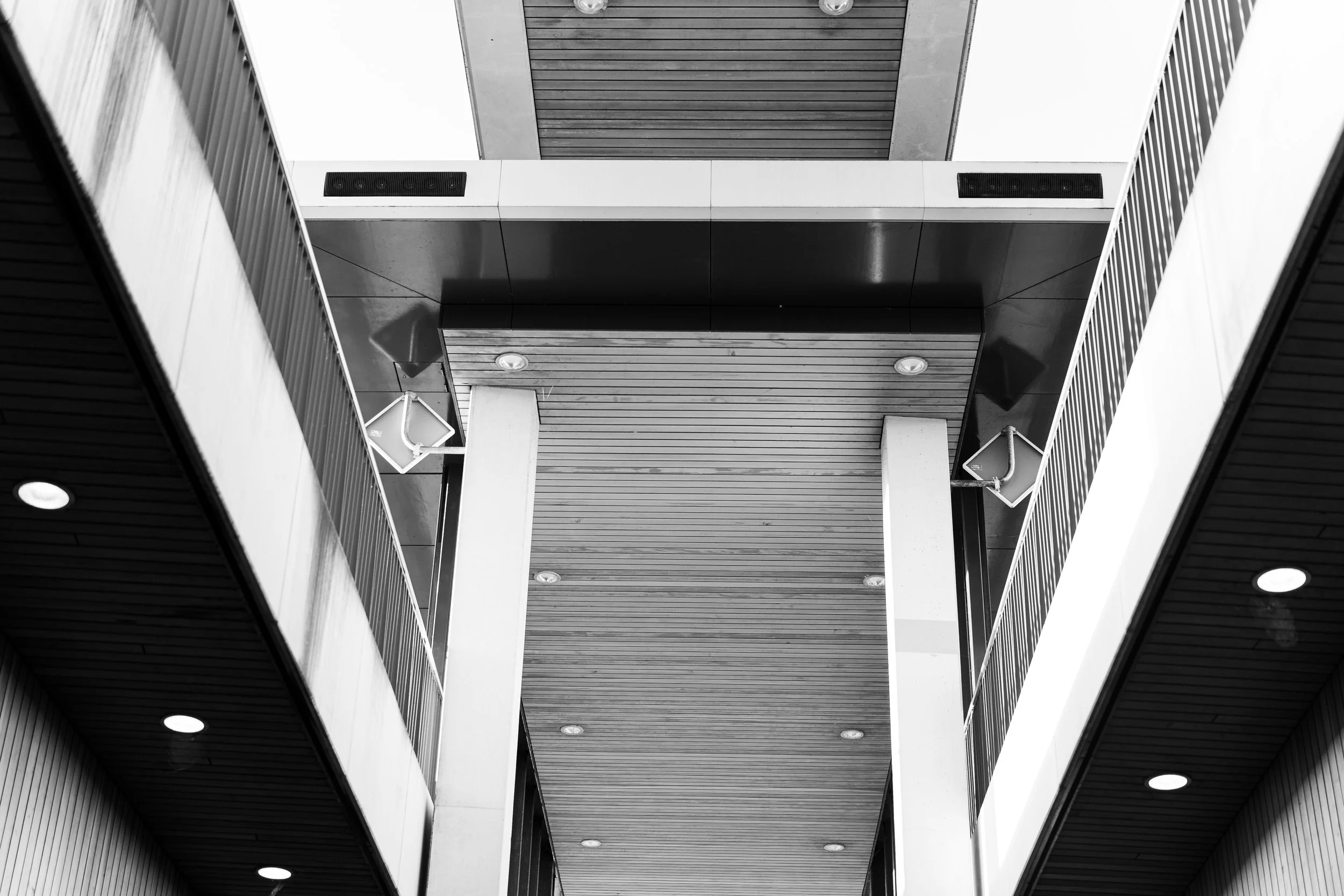
Left: photo made with the Sigma BF, edited in black and white to match the look of the analog photo
Right: photo made with the Sigma Mark I, the filmstock I have used is Ilford HP5
Although I have only owned the Sigma Mark I for three months, it already feels familiar. That says a lot about how direct and honest this camera is. I only had the Sigma BF for a few days, yet it immediately felt intuitive. It feels as though it does not want to get in your way but simply allows you to do what you want to do, which is to take beautiful photographs.
By creating the same images with both cameras, it became clear to me that the real difference is not about resolution or technology. It is about the path that leads to the image. The photographs are different, but the intention remains the same. Light, composition, and timing prove to be far more important than the era in which a camera was made or the latest technological advancements.

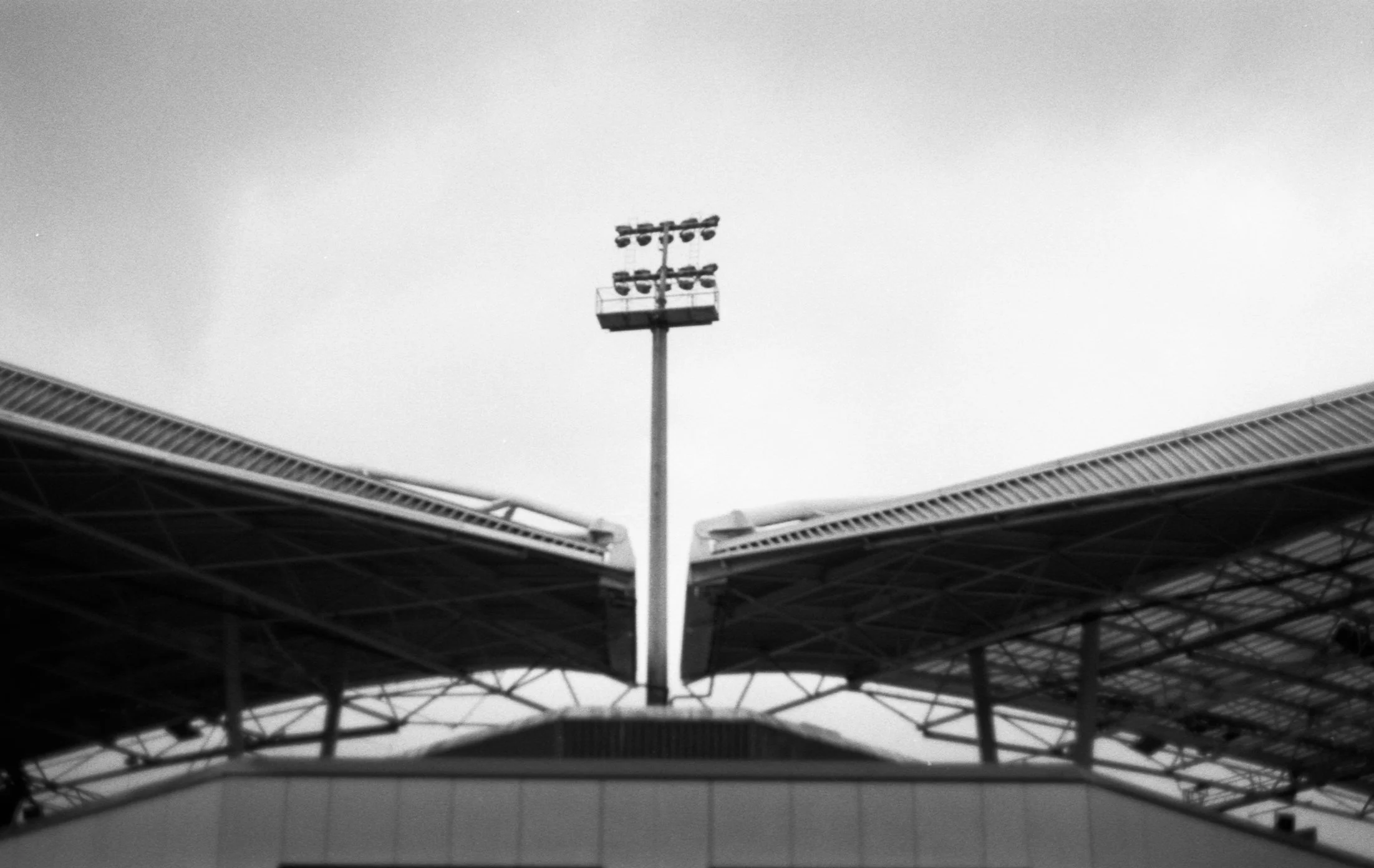
Left: photo made with the Sigma BF, edited in black and white to match the look of the analog photo
Right: photo made with the Sigma Mark I, the filmstock I have used is Ilford HP5
Back to the beginning, forward to the present
What both cameras share is the feeling that it is not the camera that is in control but that you are in control of the art you make. That is something I have learned over the past three months with the Sigma Mark I and had reaffirmed in just a few days with the Sigma BF.
The Sigma Mark I and the Sigma BF represent two extremes from the same brand. One is the very first camera Sigma ever made, and the other is the newest camera the brand presents today. Despite the enormous gap in time, they share the same core values. Simplicity, focus, and trust in the photographer.
* As of the 20th of January 2026
See some more comparison photos here (Sigma BF left and Sigma Mark I right):